
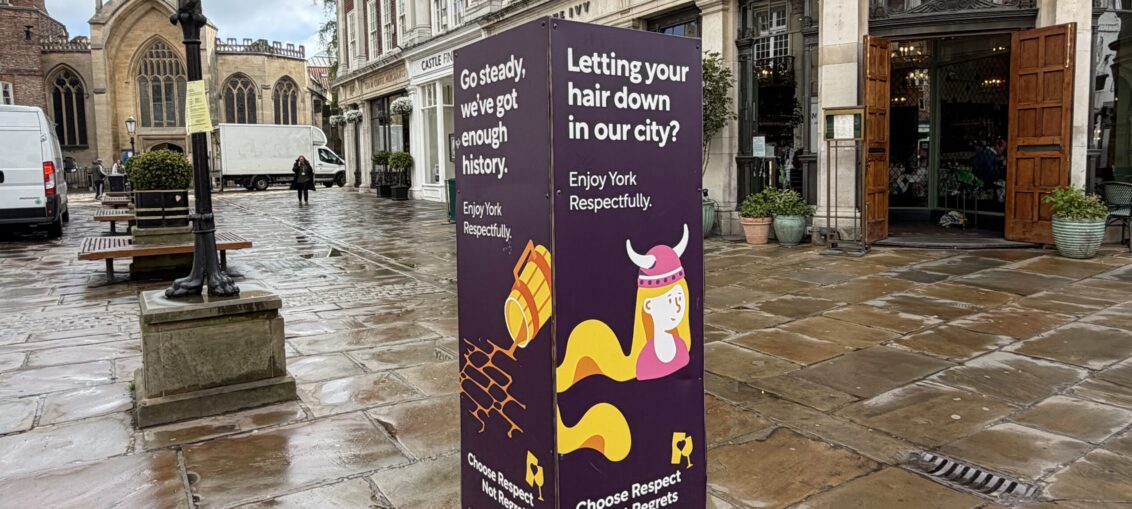
Sustainable tourism in York sits at a crossroads, the city depends on visitors.
Yet its’ medieval streets, heritage and river shaped landscape make it especially vulnerable to the pressures of high footfall, climate change and modern consumption.
York’s current strategies show a clear ambition to stay green, but the question is whether that ambition can keep up with the rising visitor numbers and environmental pressures.
The city’s 2032 vision emphasises becoming a ” Vibrant, prosperous, welcoming and sustainable city.”
The strategic framework focuses on three core areas, Economic growth, health and wellbeing and climate change.
York’s appeal is also its environmental pressure point, millions of visitors move through narrow medieval streets, heritage buildings require careful retrofitting and the river Ouse and Foss make the city particularly prone to climate driven flooding.
“Green York” is just one approach the city have in place to increase sustainability, it encourages visitors to explore on foot, enjoy locally sourced foods and connect with nature through parks and riverside walks.
Alongside this, the newly adopted tourism strategy aims to create “value beyond visitor volume” shifting focus from quantity to quality of experience. It aims to ensure that tourism contributes positively to the city’s prosperity and quality of life.
Some more key initiatives include, supporting local food systems through markets and local cafes. Encouraging mindful, slower tourism that spreads visitors across the city and reduces congestion and again promoting low carbon travel with walking routes, cycle paths and public transport.
How can visitors and locals help with York’s sustainability mission?
Where you stay and spend matters. More hotels and guesthouses in York are embracing eco-friendly practices, such as reducing energy use, cutting down on single-use plastics and sourcing food locally.
Such as, The Milner known for their commitment to sustainability such as recycling 100% of their waste. The Grand Hotel is also extremely driven to reduce their environmental impact, they are even home to three active beehives.
Choosing places such as these also helps reward businesses that are actively trying to do better.
Shopping local is just as important. York is packed with independent businesses, from bookshops and bakeries to markets and museums.
Supporting these places keeps money in local economy and avoids environmental cost of big supply chains.
Can York stay green? York’s popularity does not have to come at the expense of sustainability.
With thoughtful planning, strong local polices and conscious visitor behaviour, the city can continue to thrive as both major tourist destination and a green, liveable place.
The challenge lies in balance, between welcoming visitors and protecting what makes York special. Sustainable tourism is not a final destination, but an ongoing process.
If York continues to adapt and innovate, it can prove that history, hospitality and environmental responsibility can coexist.
City of York Council makes it very clear that York will be the worlds leading city in its commitment to environmental sustainability and will achieve net zero by 2030. Let’s just hope that they can.
