
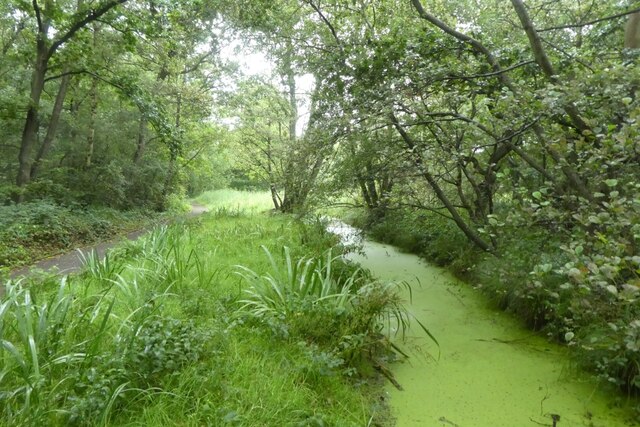
Askham Bog is at risk of drying out due to changes in hotter weather conditions, according to conservationists.
A £250,000 appeal has been created to aid the reserve’s preservation.
Sitting between the A64 and the York ring road, the reserve was founded in 1946 by the Yorkshire Wildlife Trust.
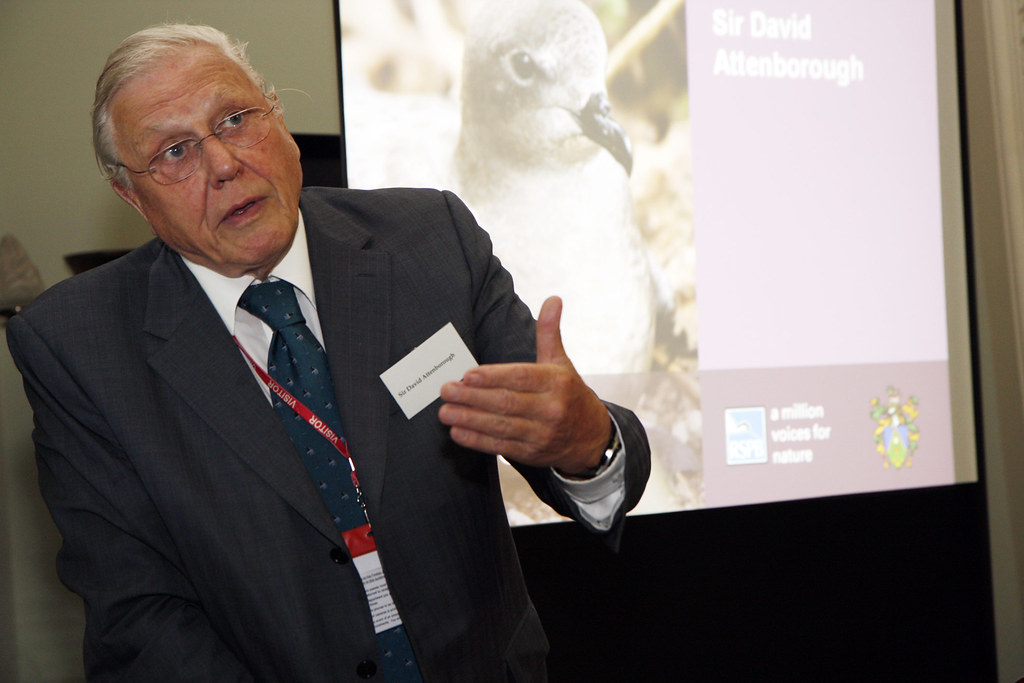
Sir David Attenborough told Yorkshire Wildlife Trust that the 44 hectare site was “a cathedral of natural conservation.”
The reserve is home to various extraordinary species such as roe deer, 800 species of moth, dragonflies and herons.
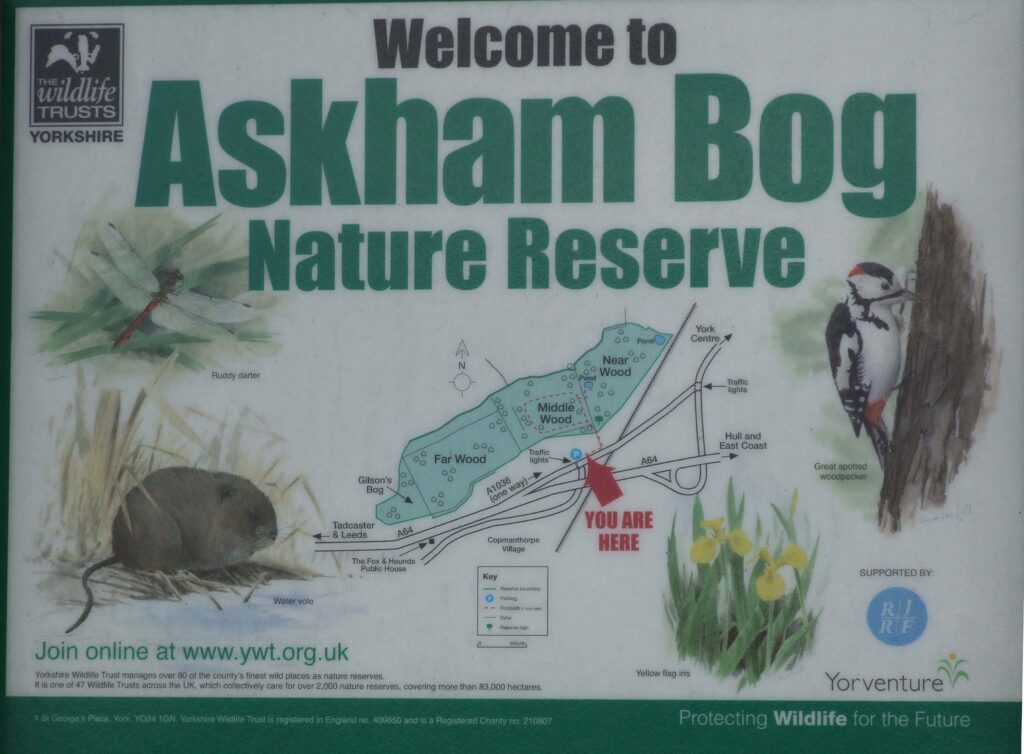
Askham Bog at Risk
However, this habitat relies on large amounts of water which the bog then releases slowly as a flood buffer.
But the risk of drying out is becoming more imminent due to dry summers.
Dave Powell, Askham Bog’s reserve manager told York Mix: “It is vital we keep the reserve boggier.”
The risk of drying out can detrimentally harm habitats causing animals such as the slender sedge to not return.
Flooding can also occur due to changes in rainfall patterns, which may impact areas and houses in York.
Ultimately this can damage the peat bogs, which can entirely dry out and not be restored once it reaches its threshold.
Nature lover, Sophie Frampton said: “It is such a shame that a beautiful wild area is at risk.”
Inevitably carbon will start emitting which can further harm wildlife and even human life, experts claim.
To combat this, the Askham Bog protection fund has been put in place to help prevent further damage and restore the natural area.
This will take place over the next five years and aims to build new ponds and water areas for wildlife restoration.
The biodiversity of the bog is experiencing peril, but this isn’t the first time.
In 2019 plans to build 500 houses adjacent to the bog were rejected at appeal.
The increased risk of new threats to the bog has drastically increased and almost all are from the threat of civilisation.
