
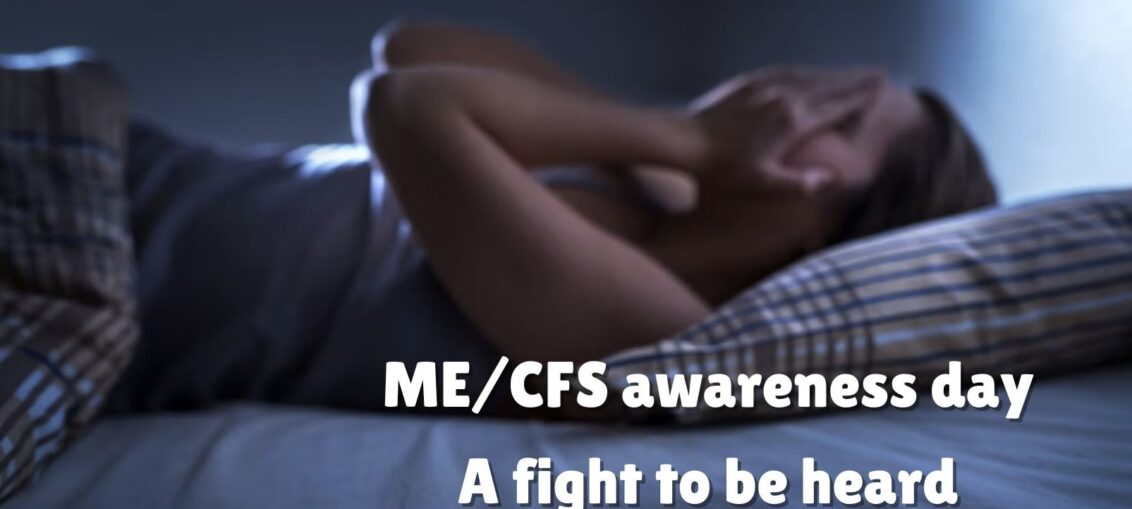
“I wish more people understood how it feels to lose everything overnight”, Emma, a long-time sufferer of ME/CFS, said when speaking about what life with this chronic illness is like for her.
Myalgic encephalomyelitis/chronic fatigue syndrome is a long-term chronic illness which leaves many of those who live with it bed-bound or house-bound due to the debilitating symptoms.
Mostly known for the fatigue that comes with this illness, it often gets misunderstood as just being about tiredness. However, it is far more than just that, with symptoms that include brain fog, sleep problems, muscle and joint pain, headaches, light and sound sensitivity, dizziness and nausea, which can range from person to person.
May 12th is ME/CFS awareness day, but for the millions who live with the symptoms daily, it is a cry for help, to be seen and heard.
Emma was only 14 when her life changed and she got ill “It was overnight, I was a teenager like anyone else my age, and then the fatigue started and never really left. I felt robbed of the life I once had and the future I had planned”.
A diagnosis of ME/CFS can often feel like it’s a life sentence being handed out to the millions of people missing and trapped within their bodies and their homes due to the daily debilitating symptoms and a severe lack of research.
“Is it really that bad?” “Isn’t it just being tired?” “You don’t look that ill.” These are common comments that people with ME/CFS face when talking about what it means to live with this illness. Here are some answers from those who know what it’s really like firsthand.
It is really that bad? When asked online one person responded, “The fatigue experienced from ME/CFS is not the normal feeling of tiredness which everyone experiences and has a life-changing impact”. Another person said, “The quality of life can be so low, and no one understands how bad it really gets”.
Emma responded, saying, “It’s not just the illness that is bad, but the life you miss out on, and people forget that. The symptoms are only one part of what it means to be ill with ME/CFS. I see people my age living a life which I can only dream of, even just simple things like family dinners I miss out on”.
Isn’t it just being tired? Some responses online included “I wish more people could understand the distance between normal tiredness and my fatigue are worlds apart”, another person said with “You grieve your old self when you get ill with ME/CFS, there is so much more to it than just being tired”.
This is an invisible illness and many forget about that when talking about ME/CFS sufferers “not looking ill”. Emma commented on this, saying, “You see me on good days, when I’m well enough to leave my house. The days when I am in unimaginable pain and can’t leave my bed and look in your eyes “ill” you won’t see me. But I’m always ill even on the good days, it doesn’t ever disappear”.
ME/CFS has been around for many years, and it’s even believed Florence Nightingale had ME/CFS during her lifetime, even being bedbound at some points.
In 2021, NICE reported that there were 250,000 people living in the UK with ME/CFS however, this number is expected to be much higher in reality. Since there isn’t a specific test for ME/CFS and a lack of awareness of it, many sufferers can go years without a diagnosis.
