
A tour at Abbey House in Kirkstall shines light on the lives of Victorian women of Leeds in time for International Women’s Month.
On the 11th and 12th of March, a guided tour around the realistic set of the museum gave an immersive insight into the streets and homes of Victorian Leeds. Taking place in time for International Women’s Month, the tour focused on aspects of women’s lives from all backgrounds in Victorian society. From widowed mothers and working class women who kept the home together, to upper class women who took leaps into gaining university level education and participating in the fight for women’s rights.
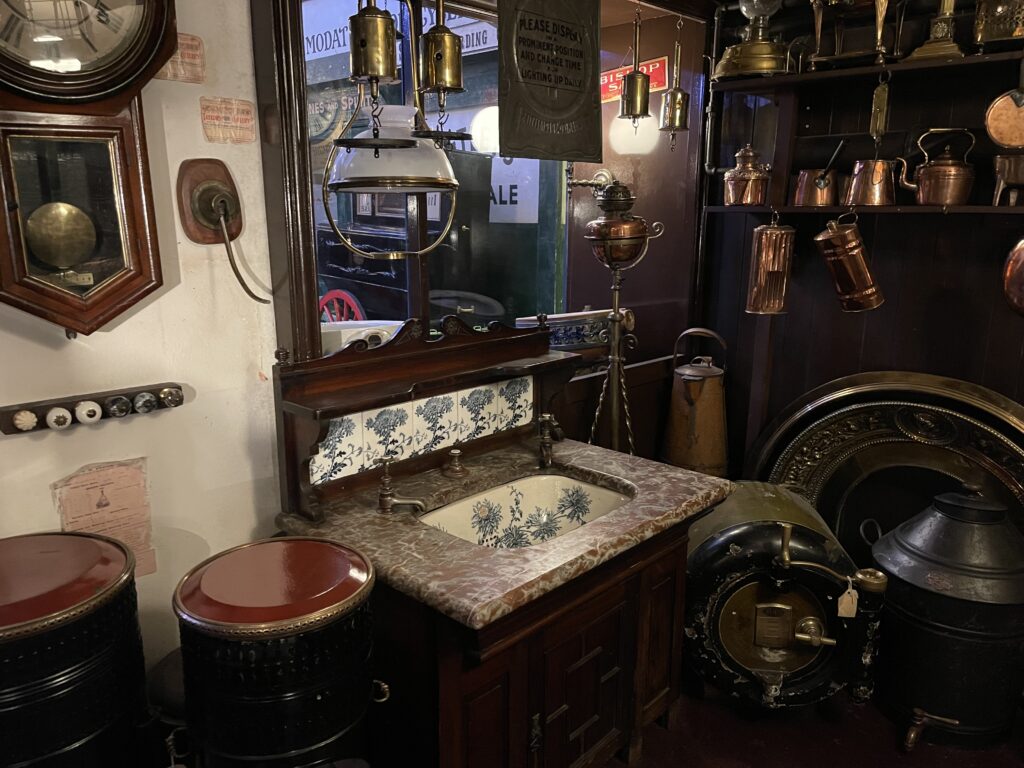
Within easy reach of York, Abbey House is one of the best museums in Yorkshire which gives an insight into Victorian life.
Whilst giving tours at the museum, Assistant Curator Nicola Pullan highlights the inequality that existed between rich and poor in the Victorian era. For example, the working-class women who provided care in all its forms, with a heavy emotional and physical toll. However, their work is not always valued as highly as the contributions of upper-class women of the era. Nicola compared this to the many women today who continue to care for others, but are given more opportunities to further their education.
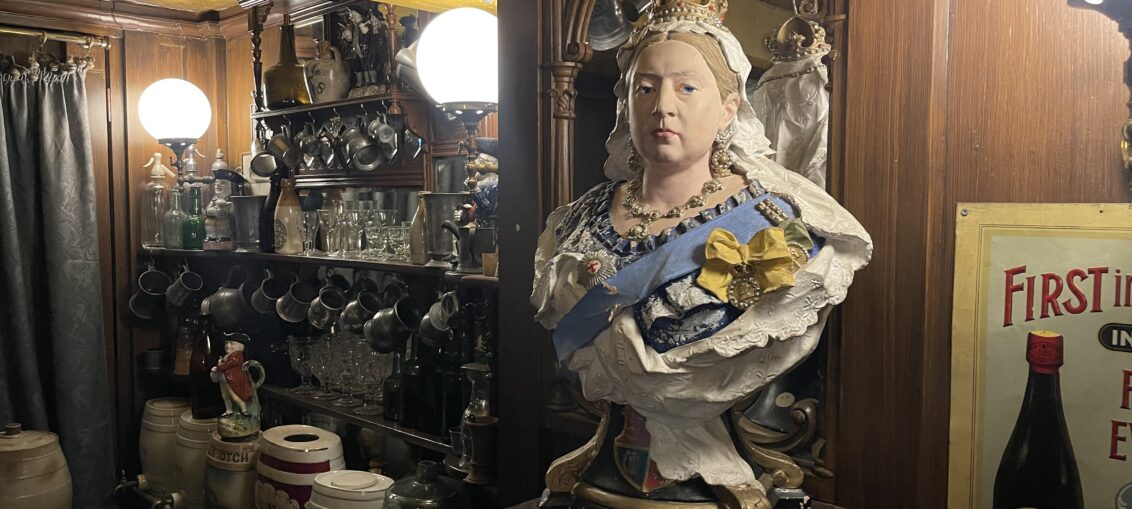
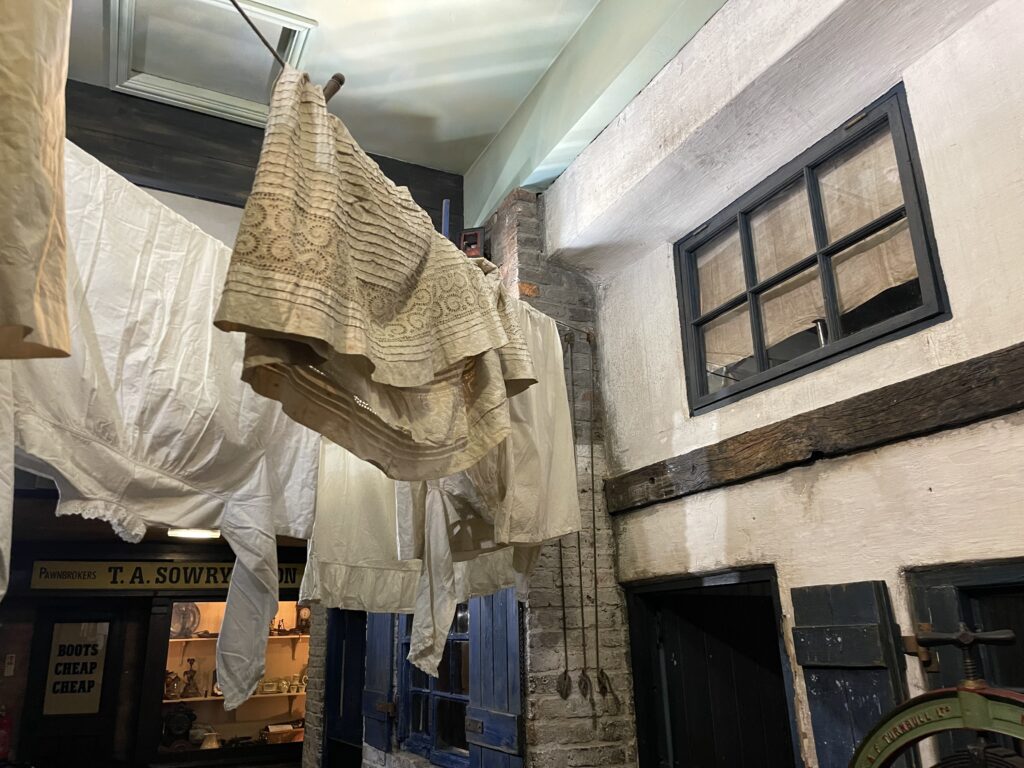
The tour begins in the middle of a set depicting a Victorian street in Leeds with various shops, houses and high street pieces such as chalked hopscotch outside a church, washing lines hanging from windows, and even a pub right containing a figure of the late Queen Victoria.
On the importance and relevance of the tour, Nicola says:
“For as long as time, it’s always been important to tell the stories of historical male figures and it’s only in relatively recent times we’ve seen that women outside of royalty or very unusual circumstances have interesting stories to tell. So, I find it really important that we continue to look back because a lot of these women were overlooked at the time they existed so we can do them justice.”
One story which resonates particularly with Nicola is that of Leonora Cohen.
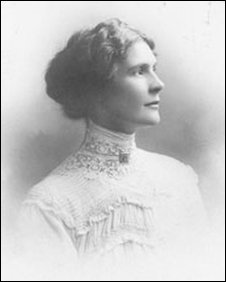
“She was a Victorian woman who lived well into the 20th century, and was a Leeds-based suffragette. She was born in 1873 and later left school at a very young age when her mother was widowed, completing sewing and piece work whilst her brothers were still at school. Cohen later went on to get an apprenticeship and trained as a milliner. By the beginning of the 20th century, she starts to understand the problems her mother had due to the restrictions on what women could and couldn’t do. She was very much a traditional Victorian in the way she viewed a lot of things, but she also was clear on inequality and challenging it.”
This tour is important because it keeps the narratives of women who lived at the time, alive.
Nicola says:
“Certainly for working class women, we don’t know a lot about them. You can look at ancestry and see how many children they had and where they’ve lived but these women were too busy cracking on with life to leave any records behind. They probably didn’t have time to write you a nice diary and explain their living situation, so I like to speak in more abstract terms about the challenges they may have faced.
It very much varies between the women. You’d have had loads of widows who were making ends meet, ensuring their children survived to go on and become members of society. Then you have middle class women who had access to education and made a change particularly towards the end of the Victorian period, such as reform for laws surrounding domestic violence.”
Regarding shared challenges between Victorian women and women of today, Nicola says:
“I think safety always continues to be an issue for women. In the Victorian era, domestic violence wasn’t really recognised as a problem – it was a day-to-day reality for a lot of women. Today, that is definitely changing and there are a lot of safety measures for women, but that doesn’t mean that there isn’t work to be done. “
The display and informative historical tours, such as those provided by Abbey House, do more than provide a fun and unique day of stepping back into the past. They highlight the progress we have made and the steps we have yet to take as a society. By sharing the lives of women of all backgrounds, we can better understand the position of women today and the differences in opportunities they are given around the world.
More information on Abbey House Museum can be found at: Abbey House Museum
