
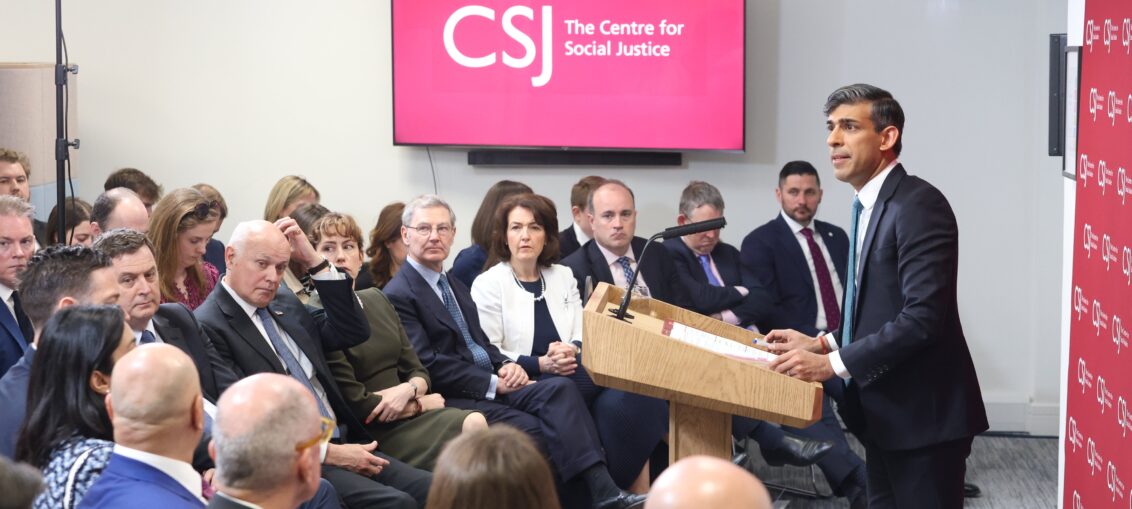
Prime Minister Rishi Sunak has said he wants to put an end to what he calls “sicknote culture” in the UK.
He plans to strip the GPs of their power to give patients a ‘doctor’s note’ meaning they will no longer be authorised to sign people off work.
This comes from findings of a work capability assessment in the UK showing that in 2011, 20% of the people were deemed unfit to work while the latest figure now stands at 65% who are deemed unfit to work. To these figures, Sunak said: “That’s wrong, people are not three times sicker than they were a decade ago.”
Medical Response
Speaking to a medical professional at York Hospital on her views of the disability benefits, it became clear that while they are easier to come by than they used to be, the benefits don’t always improve people’s lives or allow them to live and achieve their full potential.
Some settle with the knowledge they do not have to work so don’t feel encouraged to go for what they want in life and accept a life without work or the opportunity to work. The benefits are given to ensure an easier life but not necessarily the best quality of life.
Tracy Pottinger, NHS North Yorkshire nurse and former medical benefits assessor said: “I used to look after a girl who had a spinal injury, she was paralysed from the jaw down and needed a ventilator to breath. She was not encouraged to return to school when she came out of the hospital and has got no qualifications and has spent the last 15 years going to the shops every day.”
However, others don’t accept that they cannot work, proving the medical reports wrong and they strive to achieve their goals in life. “If you put your mind to it, no matter what your disability is, you can still live a fulfilling life.”
“I also looked after a boy with the same injury, his parents were doctors and he was encouraged to go to school. He went to St Andrews University and qualified with a degree, had a job and lived in his own flat with carers.”

Mr Sunak claims that the PIP system is being “undermined” by “subjective and unverifiable” claims about people’s capabilities.
When asked about the accessibility for disability benefits, Tracy said: “I think it has become easier for people to get disability benefits and stop working. There are fewer GPs now than there used to be and most patients struggle to see their own or indeed the same GP all the time. Due to GPs being overworked and wanting to deal with patients as quickly as possible, I think patients do get their benefits quicker.”
Due to the mass volume of work GPs must complete, there isn’t always time to thoroughly assess a patient’s level of disability so when it comes to qualifying for benefits, there is often not enough information to back up their claims.
“When I did the assessor job, I relied on GP reports to guide me on a patient’s health and wellbeing. These reports could differ greatly in detail, again, I suppose because GPs are so busy, so this could prove detrimental to people getting benefits due to poor reports.”
The medical response differs however, the main consensus of GPs is that they don’t mind the PM’s decision to ‘strip’ them of their power to hand out ‘sick notes’ and the majority are ‘relieved’ to have the ‘added pressure’ removed.
Mental Health
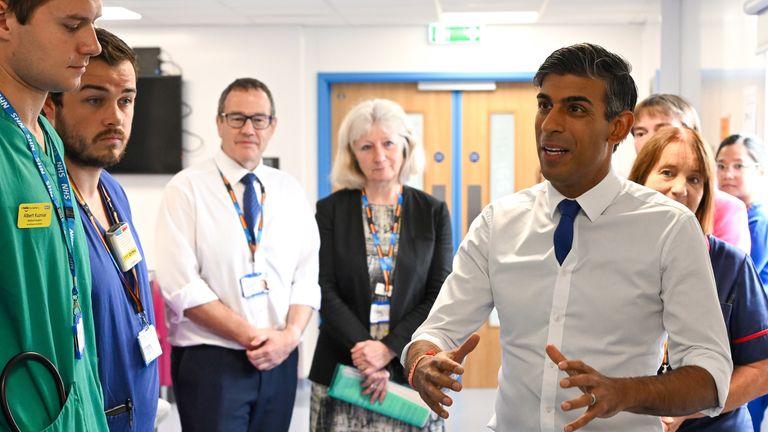
In his speech, The Prime Minister also discussed the point of mental health whereby people can be signed off work due to poor mental health. When addressing this, Mr Sunak said: “I will never downplay anyone’s conditions, mental health conditions are real and they do matter.”
Teaching is in the top five worst jobs for mental health according to multiple studies in the last four years. It is one of the most mentally taxing jobs and has one of the highest rates for mental health struggles in the UK due to the enormous number of stresses which come with the job.
A report in 2022 found that 9 out of 10 teachers say the job has “adversely impacted” their mental health. Due to this, a vast percentage of teachers UK wide have been given ‘sick notes’ which allow them to take leave from work for their mental health.
When asked if ‘sick notes’ should still be available for teachers’ mental health, Katrina Steedman, primary school teacher, York, said: “Yes but a lot of the mental health problems that teachers face stem from mis management of behaviour and workload from higher levels which create huge pressures.”
To improve the state of mental health for teachers, Katrina believes that: “Structures need to be put in place to help the mental health of the working population and if there was more done, I don’t believe there would be the need for as many sick notes.”
The Prime Minister noted that: “Work gives you the chance to belong and overcome feelings of social isolation and I believe that good work can improve mental and physical health” because of this, Mr Sunak believes it is “clear we need to become more ambitious about helping people back to work”
Katrina agreed with this statement, she had to be signed off work due to mental health struggles for 6 months however, she says: “Taking leave from work, being signed off was actually worse for my mental health than being in the classroom because of the lack of socialising during the day.”
Backlash
In his welfare reform speech, Rishi Sunak said that not acting now would be “irresponsible” because currently, the bill for personal independence payments (PIP) is £17.6 billion and it is set to increase by more than 50% in the next four years.
Many disability and mental health charities have come forward to complain about the ‘harshness’ of the wellbeing reforms.
Thousands have taken to X to voice their anger towards the PM’s plans.
Among them is Richard Kramer, Chief Executive at disability charity Sense who wrote: “The government’s ongoing onslaught on disabled people is hard to watch with the PM taking aim at people who are long-term sick in a cruel speech demonizing people with ‘sick notes’. All at a time when people struggle to access mental health support.”
Another user was absolutely outraged by the reform, commenting on Mr Sunak’s page: “Your plan includes giving bonuses to unqualified quacks to trick sick people into work, you are evil.”

Grace Nicholl, Boots employee, York, agrees with the backlash in regards to mental health, she said: “Instead of focusing on stripping GPs of their power to distribute fit notes, the Prime Minister should be looking at the flaws within the NHS and looking at current UK working conditions because high stress working environments are causing damage to people’s mental health.”
She continued, saying: “The strain caused by working long hours and the lack of breaks means staff are pushed to their limits.”

What are ‘sick notes’?
Mr Sunak believes that it has become too easy to live on benefits in the UK saying that: “the gateway to ill health benefits is writing too many off” and that living on benefits has become a ‘lifestyle choice’ for many across the country. Since pandemic 850,000 people have joined the benefits list. And as of February, 2.8 million people are out of work in the UK, Sunak’s reform aims to ‘bring people back to work.’
If employees are off work for 7 days or less, they do not need to give their employer a ‘fit note’, they can ‘self-certify’ their illness if asked to by their employer. However, employees must give their employer a ‘fit note’ if they have been on sick leave for more then 7 days in a row.
The fit note will either say the employee ‘not fit for work’ or ‘may be fit for work’. The ‘not fit for work’ document is evidence that the employee’s illness is affecting their fitness for work, confirming their eligibility for sick pay.
Since the pandemic, 850,000 people have joined the benefits list.
